
No products in the cart.

No products in the cart.

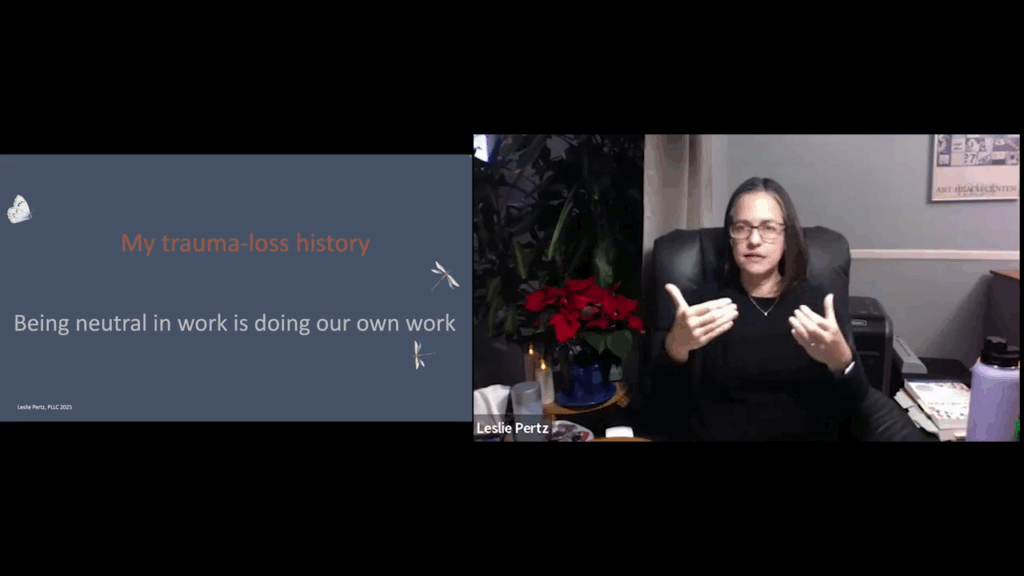
A split-screen layout shows a dark grey slide on the left titled "My trauma-loss history" with the phrase "Being neutral in work is doing our own work". On the right, presenter Leslie Pertz is signing.

Matching Thought Worlds: Introspection, Influence, and the Myth of Neutrality

Presented By: Leslie Pertz, LCSW, PMH-C, NIC, RYT-200

Course Duration: 2 hours


Subscription: 6 Months


CEU Credits: .2 PS

Matching Thought Worlds: Introspection, Influence, and the Myth of Neutrality

Price range: $37.49 through $49.99

Course Description & Objectives

In the field of interpreting, we often speak of being trauma-informed, culturally responsive, and neutral—but what does that really mean when our own internal landscapes remain unexamined? This immersive and challenging workshop invites interpreters and allied professionals to explore the often-ignored intersection between personal introspection, mental health awareness, and the complex human dynamics that shape our work. We’ll disrupt the false hierarchy of “having mental health expertise” by reframing the conversation: general knowledge of mental health is not the key—deep, honest understanding of your own mental health is.

Through guided introspection, discussion of common factors research, and an acknowledgment that if we like someone, we tend to perceive their work product more favorably, we will examine how our experiences shape how we show up in the work. Participants will confront how interpreter influence and Deaf influence are reciprocal and unavoidable. If being an ally and matching thought worlds are truly our goals, then we must do the hard work of clearing out our internal “junk”—our biases, our distress-avoidance strategies, our assumptions. Neutrality is a myth, working toward social justice while denying our part as oppressors is a mistake, and acknowledging that opens the door to more authentic, ethical practice. Drawing from frameworks like Trauma Stewardship, Pedagogy of the Oppressed, and Somatic Experiencing, we will explore what it means to sit with discomfort instead of dissociating from it. Together, we’ll explore questions like: What am I bringing into the room that I haven’t named? How does my dislike of my team, the setting, or even the Deaf person influence the process? What narratives have I shaped to make my experience more tolerable?

This is not a “fix-it” session. This is a journey into ourselves—into the layered, sometimes painful, always human aspects of being in service to others while also being in service to our own growth. Come prepared to feel, reflect, and maybe even unlearn. This is a journey, not an arrival point.

Upon completion of this session, participants will be able to:

  • Identify and articulate at least two ways their own unexamined internal experiences (biases, assumptions, distress-avoidance strategies) can influence their interpreting practice and interactions within the interpreted event.
  • Describe the interconnectedness of interpreter influence and Deaf influence, and recognize the limitations of striving for absolute neutrality without engaging in personal introspection and addressing internal biases.
  • Identify at least two strategies, drawing from the frameworks discussed, for engaging with discomfort and fostering greater self-awareness in their interpreting work.

Meet Your Instructor
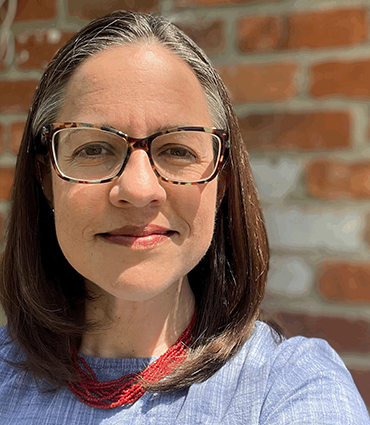
Headshot of Leslie Pertz, LCSW, PMH-C, NIC, RYT-200.
Leslie Pertz, LCSW, PMH-C, NIC, RYT-200

Leslie Pertz began her professional career as an HR manager, recruiter and regional trainer for a big box retail store, then shifted to learning American Sign Language and worked for many years as a nationally certified freelance ASL-English interpreter; primarily specializing in medical and mental health, and post-secondary interpreting, some days getting to meet Barack Obama or His Holiness the Dalai Lama, and other days working with a student in-training veterinarian around horses in a horse barn. She then attended graduate school in social work at Michigan State University, and later worked in hospital/medical settings including NICU, labor/delivery, pediatrics, inpatient rehabilitation, ICU, dialysis, and primary care. She worked for many years at University of Michigan Health- Michigan Medicine and helped start the Deaf Health Clinic at that institution. She has been in private practice since 2016 and specializes in reproductive psychotherapy, and is a certified perinatal mental health clinician through Postpartum Support International. Leslie’s current clinical focus is primarily on women and birth givers who have experienced birth trauma, pregnancy/ infant loss, infertility, and postpartum anxiety. She additionally sees people who are in recovery from substance abuse, and complex trauma. Leslie is building to open her own group psychotherapy practice that will incorporate somatic and adjunct healing modalities, she is a reiki master, and a RYT-200 yoga instructor. Leslie enjoys consulting and teaching both interpreters and mental health professionals about working together in that realm and has presented locally, and at state, national, and international conferences, and has consulted with professionals around the world. Leslie lives with her spouse and two bichon frises (Alexis Rose and Keeley Jones) in Ann Arbor, MI, and when she is not working she enjoys cross stitching, being at Lake Michigan, cross country skiing, and binging any serialized television available.

Lighthouse Interpreting & Training is an Approved RID CMP Sponsor for Continuing Education Activities.
Enhance Your Expertise

Enroll in our courses today to elevate your engagement skills to the next level.

Additional information

Access Type

DO NOT RECEIVE CEUs, RECEIVE CEUs